


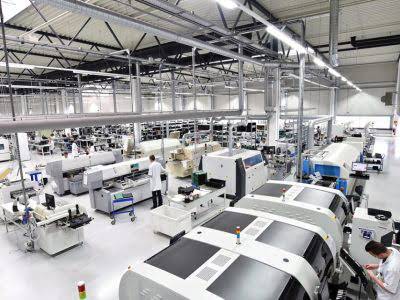
For example, in a manufacturing company, the machines used unearned revenue to create products are plant assets because they enable the core function of production. Even office equipment like computers or printers can qualify as plant assets, as they contribute to internal operations that support revenue generation. Plant assets are not intended for resale; they are acquired and maintained to support operational needs consistently. Current assets are expected to be used within a year or short-term time frame.
Machinery and Equipment
They include cash, marketable securities, accounts receivable, inventory, and prepaid expenses, crucial for assessing a company’s liquidity. Current assets are essential components of a firm’s balance sheet, representing assets that are expected to be converted into cash within a year. These assets include cash, trade receivables, stock inventory, and money orders. The acid-test ratio, also known as Bookkeeping for Startups the quick ratio, is a critical measure of a firm’s liquidity, assessing its ability to meet short-term obligations without relying on inventory sales. This ratio is calculated by dividing the sum of cash, marketable securities, and receivables by current liabilities, providing a clear picture of the firm’s solvency.
General Categories of Fixed Assets:

Plant assets vary widely across industries, as each sector relies on specific physical assets to support its operations and generate revenue. In manufacturing, plant assets like heavy machinery, assembly lines, and warehouses are essential for producing goods efficiently. In retail, store buildings, shelving, and point-of-sale equipment play a significant role in customer service and sales. For the transportation and logistics industry, vehicles, warehouses, and loading equipment are critical assets that enable the movement of goods. Similarly, in healthcare, plant assets include medical equipment, diagnostic machines, and specialized facilities that support patient care. Even in technology sectors, plant assets can include server farms, computer hardware, and office spaces that house research and development.
Is Property, Plant and Equipment a Current Asset? ›
Current assets typically include cash, inventory, accounts receivable, and other short-term liquid assets. In contrast, plant assets represent long-term property expected to be around for at least a year, often quite a bit longer than that. Current assets directly affect liquidity ratios like the current and quick ratios, which measure a company’s ability to meet short-term liabilities.

Recording Plant Assets in Accounting

In actual practice, it is not only difficult but impractical to identify how much of the plant assets have actually been used to produce business revenue. Hence, we will calculate depreciation proportionately based on the useful lives of the plant assets. Do take note that freehold land should not be depreciated since they have indefinite useful lives. The other assets section includes resources that don’t fit into the other two categories like intangible assets.
Improvements are often considered separate assets because they represent a new investment beyond the original purchase. Improvements are depreciated over their own useful life, and, like buildings or equipment, they add substantial value by allowing a business to adapt its resources to changing operational needs. These investments help businesses maintain modern, efficient, and safe work environments, especially as they grow or modify operations.
- However, land improvements, including driveways, temporary landscaping, parking lots, fences, lighting systems, and sprinkler systems, are attachments to the land.
- Including considerations of tax assets and the implications of working capital can enrich the analysis by showing potential levers a company may use to handle negotiations or seasonal cash flow requirements.
- Furniture and fixtures are also depreciable over time, with their useful life depending on materials, design, and usage.
- When substantial improvements or upgrades are made to a plant asset, they are capitalized as part of the asset’s value rather than expensed immediately.
- The current assets account is a balance sheet line item that’s listed under the Assets section which accounts for all company-owned assets that can be converted to cash within one year.
Land is considered to have an unlimited life and is therefore not depreciable. However, land improvements, including driveways, temporary landscaping, parking lots, fences, lighting systems, and sprinkler systems, are attachments to the land. Owners record depreciable land improvements in a separate account called Land Improvements. They record the cost of permanent landscaping, including leveling and grading, in the Land account. If debt has been used to purchase the plant asset, then the cash flow statement would also show the regular payments towards that debt too. Accountants record every asset on a company’s balance sheet, even if it was bought using credit.
Depreciation Expenses: Definition, Methods, and Examples
These multiple measures assess the company’s ability to pay outstanding debts and cover liabilities and expenses without liquidating its fixed assets. The disposal of plant assets requires consideration of market value, decision-making, and appropriate accounting treatment. In accounting terms, plant assets are classified as non-current assets on the balance sheet. They are distinguished from current assets, such as cash and inventory, which are expected to be converted into cash within a year or the operating cycle of a business. Although they are plant assets current assets provide value, they cannot be readily converted to cash within a year. Long-term investments, such as bonds and notes, are also considered noncurrent assets because a company usually holds them on its balance sheet for over a year.
- A classified balance sheet presents information about an entity’s assets, liabilities, and shareholders’ equity that is aggregated (or “classified”) into subcategories of accounts.
- Depreciation is a critical accounting concept, representing the allocation of an asset’s cost over its useful life.
- For example, an auto manufacturer’s production facility would be labeled a noncurrent asset.
- Property and Equipment is definitively classified as a Non-Current Asset on a company’s balance sheet.
- These assets are typically used in the business’s daily operations and are expected to be sold or consumed soon.
As time goes on, plant assets wear down and must be replaced, although most companies try to extend useful life for as long as possible. Master the fundamentals of financial accounting with our Accounting for Financial Analysts Course. This comprehensive program offers over 16 hours of expert-led video tutorials, guiding you through the preparation and analysis of income statements, balance sheets, and cash flow statements. Gain hands-on experience with Excel-based financial modeling, real-world case studies, and downloadable templates.